



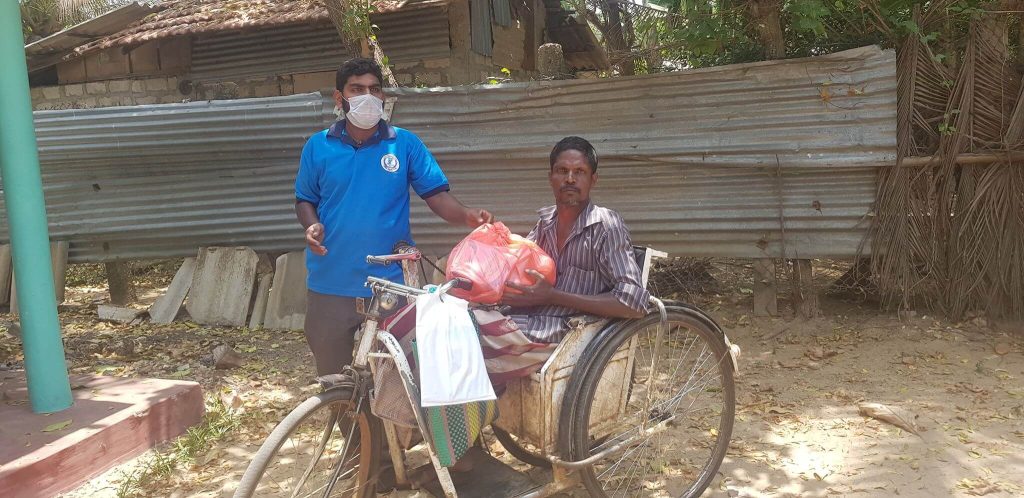
Alternatively Abled
“Alternatively abled” denotes individuals emphasizing their distinct capabilities and strengths. Support varies by need: some receive livelihood assistance, food parcels, or medical aid based on their circumstances.
Mentally retarded
Individuals with cognitive limitations perform only 10-20% of daily tasks independently. Training helps them accomplish some activities despite their restricted ability to think and act naturally.
Autism
People experience severe emotional volatility and cannot manage daily functions independently. They suffer extreme distress and may engage in self-harm or harm others, requiring patient, dedicated caregivers.
Spinal cord injuries
Damage to the spinal cord eliminates sensation and motor function in affected limbs. Injury at the neck paralyzes both arms and legs; injury above the hips paralyzes both legs, requiring complete assistance.
Mental health sufferers
Individuals with diminished cognition from trauma or environmental stress regress to childlike behavior and self-awareness loss. Caregivers must approach them as they would children.
Those who lost limbs
Accident or war victims cannot function normally despite prosthetics. Employment opportunities must accommodate their physical limitations appropriately.
Hand/foot dysfunction
Paralysis from birth, accidents, or conflict prevents independent limb function. Some require caregiver assistance; others use specialized vehicles. Employment should match their physical capabilities.